
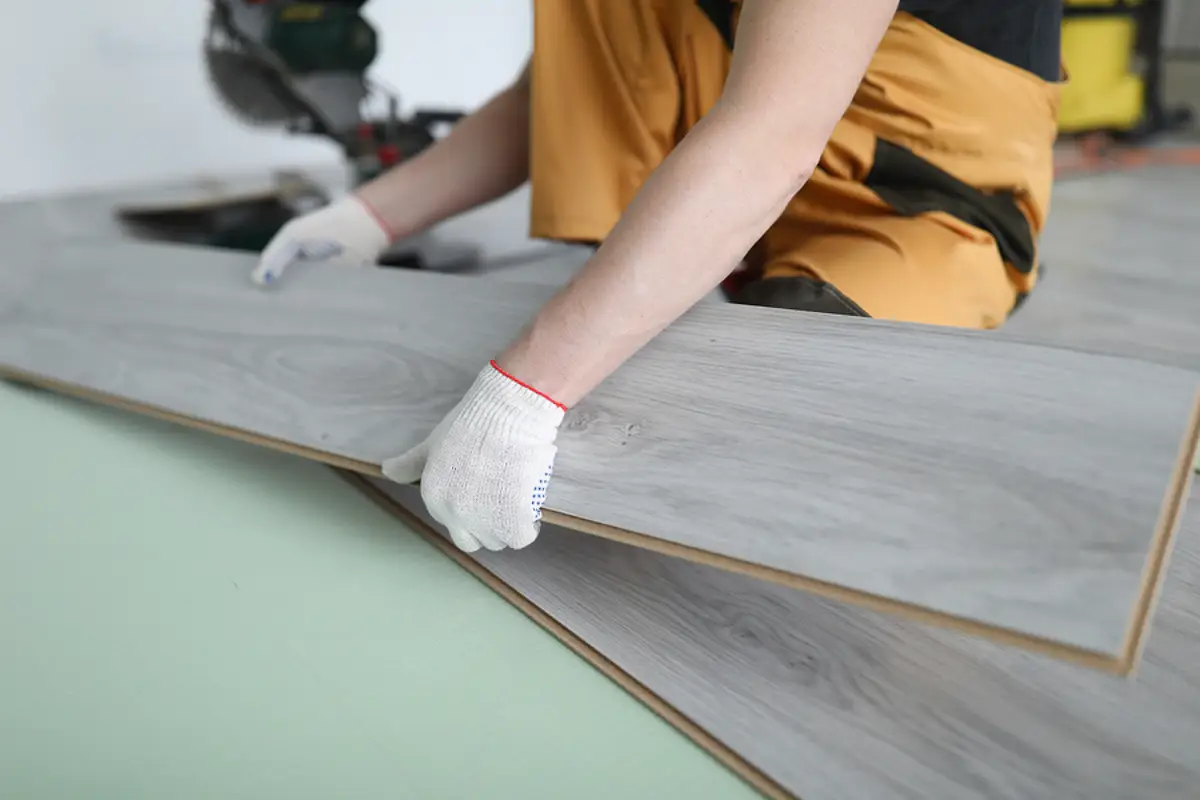
Luxury finishes and expensive upgrades often attract attention when a rental property first enters the market. Yet the true value of any renovation is measured years later, after multiple tenants have occupied the home and everyday use has tested its durability. Some high-cost improvements continue performing well, while others create ongoing repair expenses that reduce their overall return.
Houston rental owners face unique challenges when evaluating renovation investments. Humidity, heavy occupancy, and changing renter expectations can all influence how well materials hold up over time. Investors exploring long-term property improvement strategies often review examples of smart home investment upgrades to identify features that continue providing value beyond their initial installation.
Key Takeaways
- Durable upgrades often outperform luxury finishes in rental properties.
- High-maintenance materials can increase ownership expenses.
- Flexible layouts appeal to a wider range of prospective tenants.
- Trend-focused renovations may require earlier replacement or updates.
- Practical improvements often support stronger long-term profitability.
Hardwood Flooring Can Become an Ongoing Expense
Flooring affects both property appearance and maintenance requirements. However, some premium flooring choices can create long-term challenges in rental housing.
Natural Wood Shows Wear Quickly
Hardwood floors often look impressive when newly installed. Over time, tenant turnover, furniture movement, pet activity, and everyday foot traffic can leave visible scratches and dents.
Houston's humid climate may also affect natural wood materials, contributing to expansion and contraction that can impact appearance and longevity.
Many owners begin major renovation planning with a rental income analysis to determine whether premium flooring investments align with expected returns.
Durable Alternatives Often Perform Better
Many investors select alternative flooring products because they provide:
- Better scratch resistance
- Easier turnover cleaning
- Lower replacement costs
- Long-term durability
These benefits often help reduce maintenance expenses while maintaining tenant appeal.
Premium Carpet Frequently Requires Replacement
Carpet remains a popular flooring choice, but rental properties place significant demands on soft surfaces.
Heavy traffic areas often develop visible wear patterns. Furniture can leave lasting impressions, while stains and odors may remain even after professional cleaning.
According to the U.S. Census Bureau, the national rental vacancy rate reached 7.1% in Q3 2025, making efficient turnovers increasingly important for owners seeking to minimize vacancy-related losses.
Frequent Replacement Reduces Long-Term Value
Replacing carpet after multiple tenant cycles can create substantial costs. Materials, labor, and vacancy periods all contribute to the overall expense.
Many property owners focus on longer-lasting flooring options that reduce replacement frequency and simplify maintenance for residents.
Custom Cabinet Finishes Can Create Future Repair Challenges
Kitchen renovations remain one of the most common investment projects for rental properties. However, custom cabinetry can become increasingly difficult to maintain over time.
Daily Contact Accelerates Wear
Cabinet doors, handles, drawer fronts, and corners experience constant use. Specialty finishes may chip, fade, or become difficult to match after years of occupancy.
When manufacturers discontinue products, even minor repairs can require extensive refinishing work.
Owners often explore broader property improvement strategies while evaluating renovation priorities.
Simpler Designs Usually Age Better
Straightforward cabinet styles often offer:
- Easier repairs
- Lower maintenance costs
- Consistent appearance
- Broad tenant appeal
These qualities frequently support stronger long-term returns.
Designer Fixtures Can Increase Maintenance Complexity
Specialty lighting and decorative hardware may enhance a property's appearance, but they can also introduce future maintenance concerns.
Replacement Components May Be Difficult to Find
Many designer fixtures depend on proprietary parts that become unavailable once product lines are discontinued.
Repair projects may take longer and cost more when replacement components are difficult to source.
The U.S. Energy Information Administration reports that lighting accounts for approximately 3.4% of electricity use in American homes, making fixture durability an important consideration.
Standardized Fixtures Support Efficiency
Many experienced investors standardize fixtures because doing so helps:
- Simplify maintenance
- Reduce replacement costs
- Improve repair efficiency
- Streamline inventory management
These operational benefits can contribute to improved long-term performance.
Trend-Driven Kitchens Often Lose Appeal Faster
Kitchen renovations frequently represent a significant investment. Following current design trends can seem attractive, but trends evolve quickly.
Popular Designs Change Over Time
Bold cabinet colors, statement backsplashes, and highly customized finishes often attract attention initially. Several years later, those same features may appear outdated.
Matching unique materials during future repairs can increase costs and extend project timelines.
Many successful investors prioritize practical functionality instead of short-term design preferences.
Timeless Features Continue Delivering Results
Strong-performing rental kitchens often emphasize:
Functional Layouts
Efficient layouts support daily living and remain attractive to a broad tenant audience.
Neutral Finishes
Neutral colors simplify future updates and generally appeal to a wider range of renters.
Property owners often review examples of renter-friendly floor plans when evaluating renovation opportunities because layout improvements frequently provide lasting value.
Built-In Features Can Limit Future Flexibility
Custom built-ins may appear beneficial during renovation planning. In practice, they can reduce a property's adaptability.
Different Tenants Have Different Preferences
Built-in desks, entertainment centers, and shelving systems may fit one renter's needs perfectly while limiting another's use of the space.
Flexible living areas generally appeal to more prospective tenants because occupants can customize rooms to suit their lifestyles.
Adaptable Spaces Support Long-Term Demand
Properties with flexible layouts often benefit from:
- Greater renter interest
- Easier future updates
- Improved functionality
- Better long-term versatility
These advantages help properties remain competitive through changing market conditions.
Luxury Bathrooms Often Require More Upkeep
Bathrooms experience some of the highest daily use within a rental property, making durability especially important.
Premium Features Can Increase Maintenance Demands
Frameless shower enclosures, designer plumbing fixtures, specialty tile installations, and custom vanities often require more upkeep than standard alternatives.
Water spots, grout discoloration, and fixture wear can create recurring maintenance concerns that increase operating costs.
Many owners improve renovation outcomes by incorporating recommendations from preventive maintenance strategies.
Practical Materials Often Deliver Better Results
Durable bathroom materials frequently provide easier maintenance, dependable performance, and widely available replacement parts.
Long-term property protection becomes easier through professional property project management, dedicated owner support resources, and reliable property maintenance programs.
FAQs about Rental Renovation Decisions in Houston, TX
How can landlords identify upgrades that will remain valuable for years?
Property owners should evaluate durability, repair requirements, and expected lifespan. Improvements that continue performing well through repeated occupancy often provide greater long-term value than appearance-focused renovations.
What factors should influence renovation decisions for rental properties?
Maintenance costs, tenant appeal, replacement availability, and operational efficiency should all play a role. Renovations that balance functionality and durability often produce stronger financial outcomes.
Can renovation choices affect future turnover costs?
Yes. Materials that require frequent repairs or replacement can increase turnover expenses. Durable products often reduce preparation time and help owners return properties to the market more efficiently.
Why do some expensive upgrades generate disappointing returns?
Certain premium materials create ongoing maintenance obligations that offset their benefits. High repair costs and shorter useful lifespans can reduce the overall value delivered by expensive improvements.
How often should rental owners review their renovation strategy?
Property owners should periodically assess maintenance expenses, market expectations, and property performance to ensure renovation investments continue supporting long-term ownership goals.
Better Renovation Decisions Create Stronger Long-Term Results
The true test of any rental renovation begins once tenants start living in the property. Materials that handle daily use, simplify maintenance, and remain attractive through multiple lease cycles often contribute more to an investment's success than expensive finishes that require frequent repairs or replacement.
Owners in Houston who prioritize long-term usability over short-term visual appeal are often better positioned to control operating costs and maintain consistent rental performance. At PMI Bear Creek, we help property investors make renovation and maintenance decisions that support lasting value. When you're ready to take a more strategic approach to protecting your rental property, elevate your property's maintenance plan with PMI Bear Creek and keep your investment moving toward stronger long-term results.
